
How to Prevent Golf Injuries Before They Start & Enhance Performance


Golf has a reputation as a low-impact sport. And compared to contact sports, that’s largely true.
But that doesn’t mean our favorite sport is risk-free.
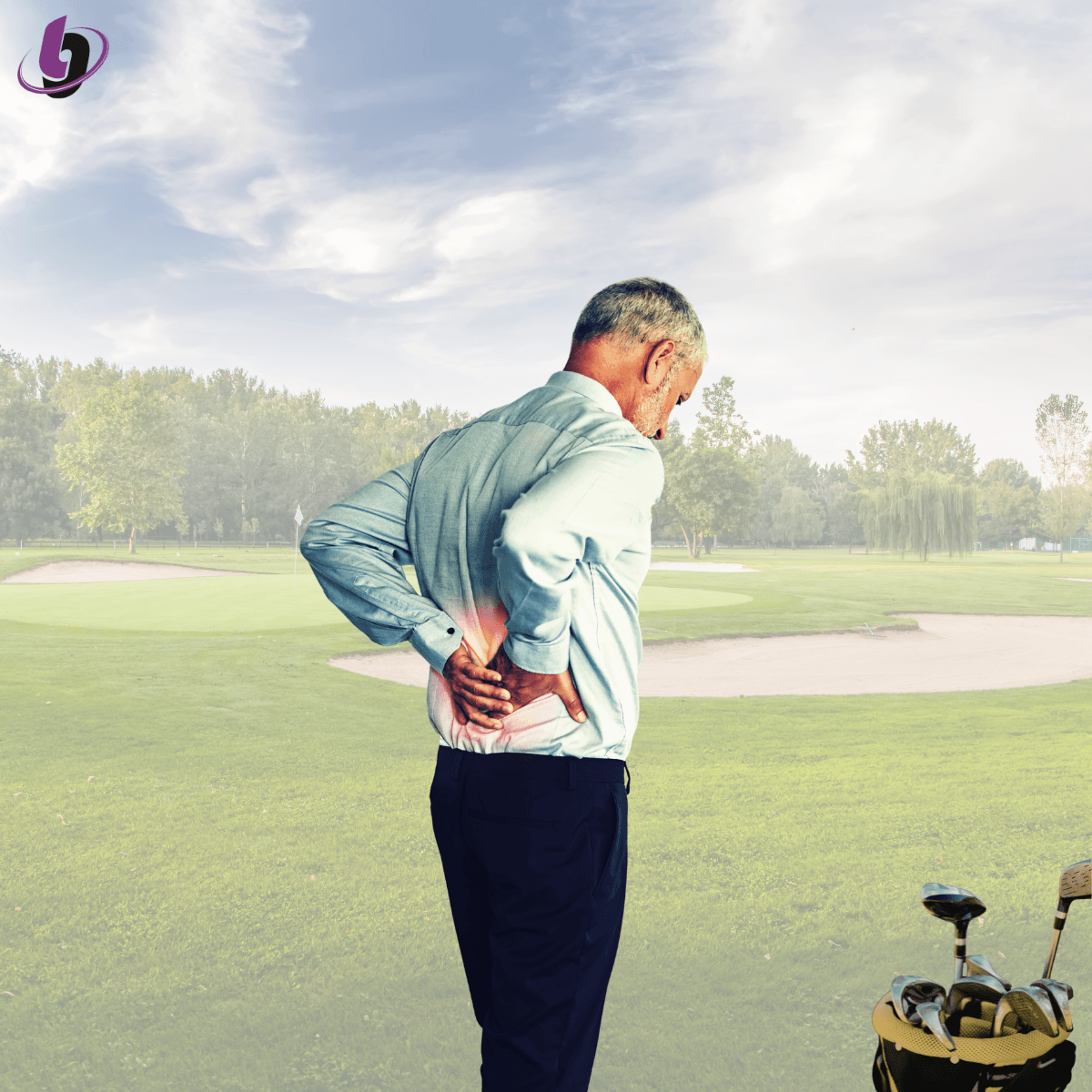
Many golfers experience back pain, shoulder irritation, elbow problems, or wrist issues during the season. These injuries do not happen overnight and often devlop gradually over time. What starts as mild soreness can turn into chronic discomfort that affects both performance and enjoyment of the game.
In most cases, the problem isn’t a single traumatic event.
It’s repetition.
Golf involves repeating the same powerful rotational movement hundreds or even thousands of times over a season. Without the right preparation, mechanics, and conditioning, that repetition can place significant stress on the body.
The good news: Many golf injuries are preventable.
The key is addressing the risk factors before pain begins through proper warm-ups, efficient swing mechanics, specific fitness, and recovery strategies.
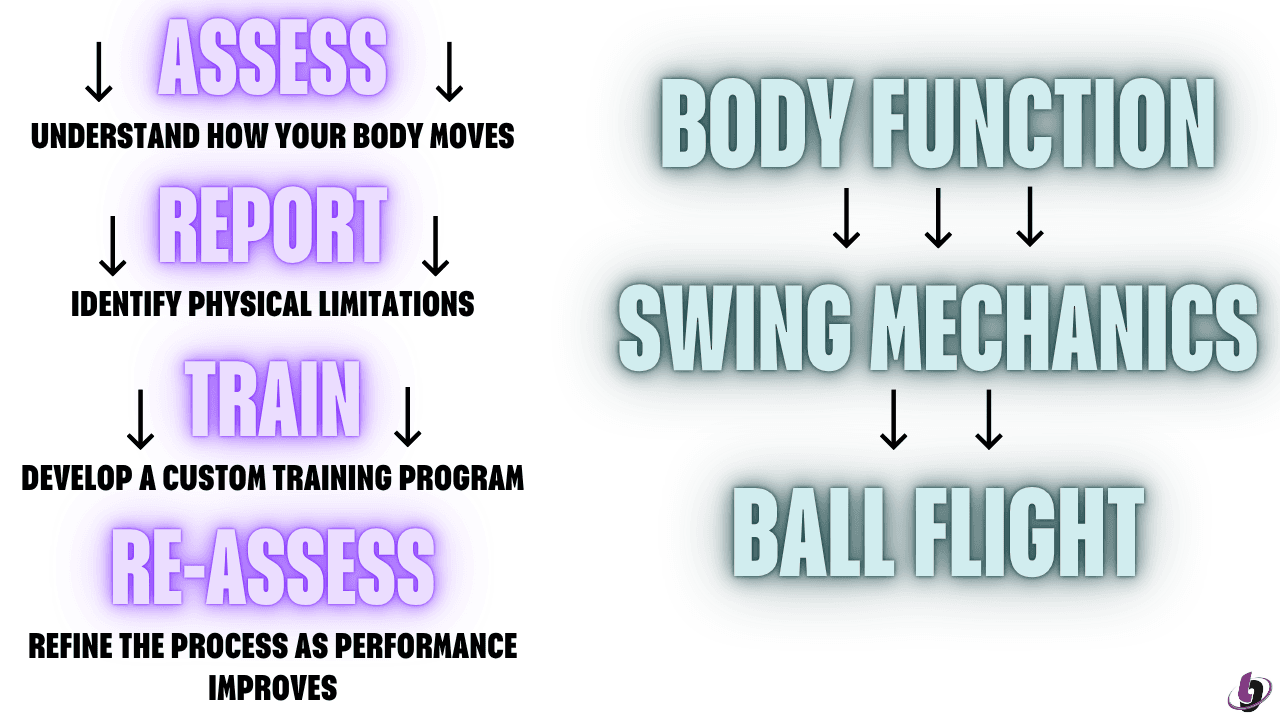
If your body doesn’t change, your swing won’t either.
The Most Common Golf Injuries (and Why They Happen)
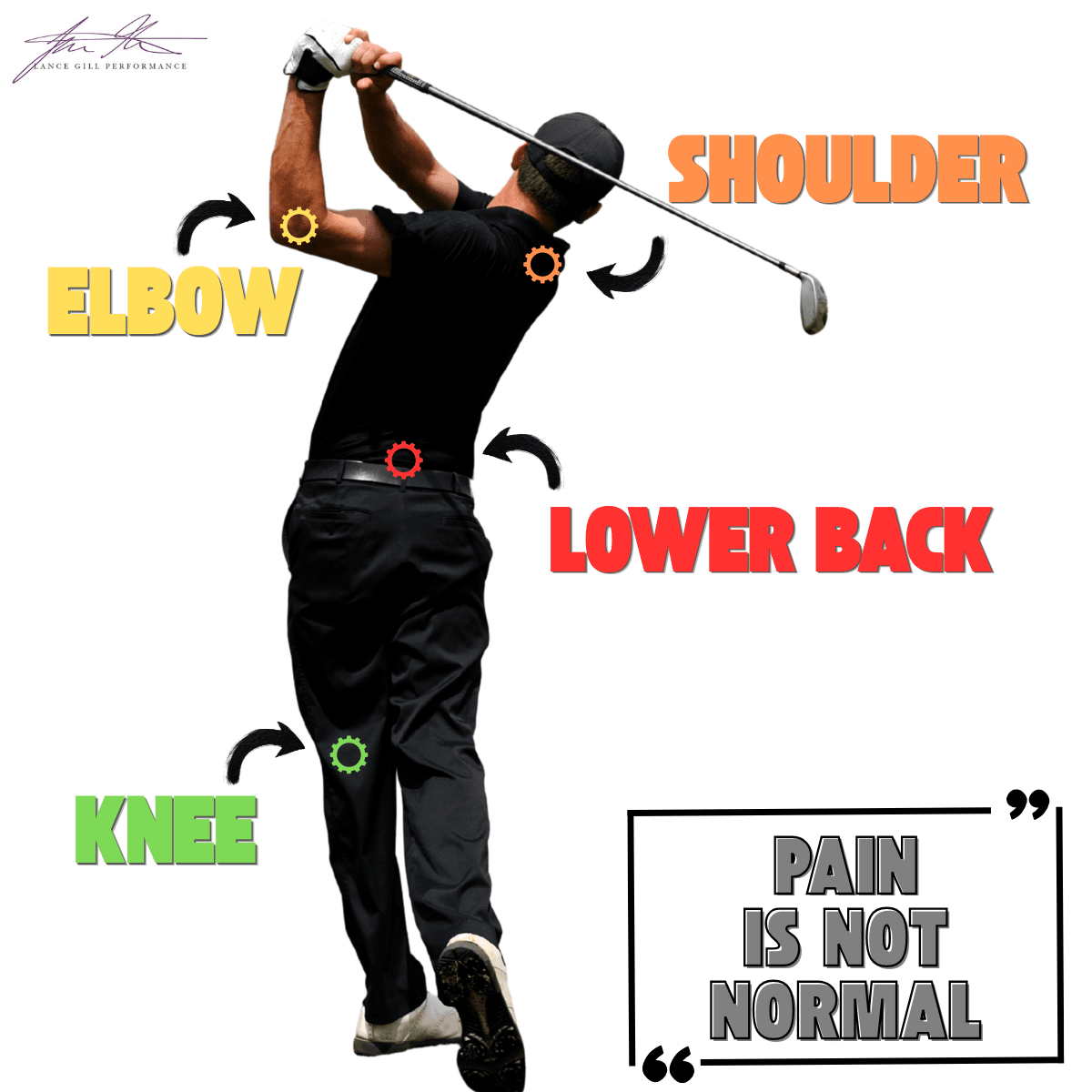
Golf injuries typically affect areas of the body involved in rotation, force transfer and poor muscle strength.
Below are the most common issues golfers encounter.
Lower Back Pain
Lower back pain is the most common injury if you play golf.
Golf involves repeated spinal rotation and side bending. If the hips and thoracic spine lack mobility—or if core strength is insufficient—the lower back (lumbar spine) often absorbs excess stress.
Over time, this can lead to muscle strain, joint irritation, or disc issues.
Shoulder Injuries
The shoulder blades play a major role in the backswing and follow-through.
Repetitive high-speed rotation can irritate the rotator cuff and surrounding structures, (mainly due to poor Glenohumeral positioning due to scapular mechanics) particularly when golfers overswing or lack shoulder stability.
Poor posture at address can also increase shoulder stress.
Elbow Pain (Tennis Elbow)
Despite the name, Tennis Elbow affects many golfers.
It occurs when the tendons of the forearm become irritated from repetitive gripping and impact forces. Tennis elbow can also develop from similar repetitive stresses.
Common contributors include:
- gripping the club too tightly
- excessive practice volume
- hitting the ground repeatedly behind the ball
Wrist and Hand Injuries
The wrists absorb significant force at impact.
Tendonitis, sprains, and joint irritation can occur from:
- striking the ground before the ball
- poor swing mechanics
- excessive range practice
Hip and Knee Problems
Golf relies heavily on hip rotation and weight/force transfer.
When hip mobility is limited, the body often compensates through the lower back or knees. This compensation can create unnecessary stress on joints and connective tissue leading to: knee pain and back injuries.
Older golfers or those returning to the game after inactivity may be particularly vulnerable.
Why Overuse and Poor Mechanics Drive Injuries
Many golf injuries are classified as overuse injuries.
Unlike traumatic injuries, which occur suddenly, overuse injuries develop gradually as repeated stress exceeds the body’s ability to recover.
This often happens when:
- practice volume increases too quickly
- poor mechanics place excess stress on joints
- the body lacks the strength or mobility to support the movement
For example:
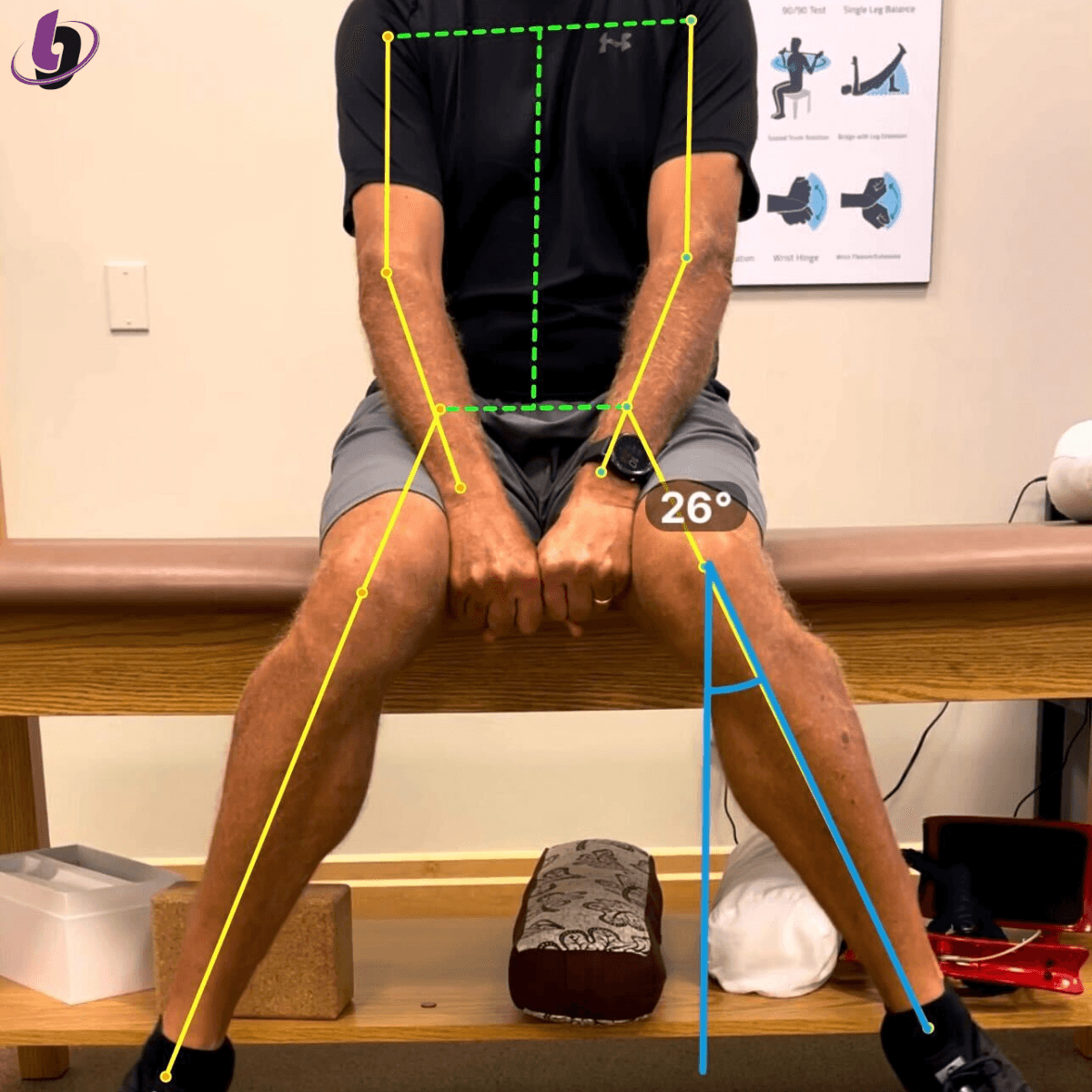
Limited hip rotation can force the lower back to rotate more than it should.
Weak glutes can shift power demands to the lumbar spine.
Poor sequencing in the swing can overload the shoulders and elbows.
Because of this, injury prevention is not just about stretching or strengthening.
It also involves improving movement efficiency and swing mechanics.
Golf Season Warm Ups the Right Way Before You Play

One of the most effective ways to reduce injury risk is a proper pre-round warm-up.
Unfortunately, many golfers skip this step entirely and go straight from the car to the first tee.
A good warm-up prepares the body for rotational movement, increases blood flow to muscles, and improves mobility.
Dynamic Warm-Ups vs Static Stretching
Before swinging a club, dynamic movement is far more effective than static stretching.
Dynamic warm-ups prepare the nervous system and muscles for activity, while static stretching is generally better after play.
Components of a Golf-Specific Warm-Up
A proper warm-up should take about 5–10 minutes and include:
Light aerobic activity:
- brisk walking
- light jogging
- climbing stairs
This raises body temperature and prepares muscles for movement.
Dynamic mobility exercises:
- leg swings
- arm circles
- torso rotations
These help improve mobility in the hips, shoulders, and spine.
Golf-specific movements
Finish with movements that mimic your swing:
- wide-stance rotational drills
- rehearsal swings starting slowly
- gradually increasing speed
- Skipping a warm-up significantly increases sports injury.
The Role of Golf Fitness: Mobility, Strength, and Power
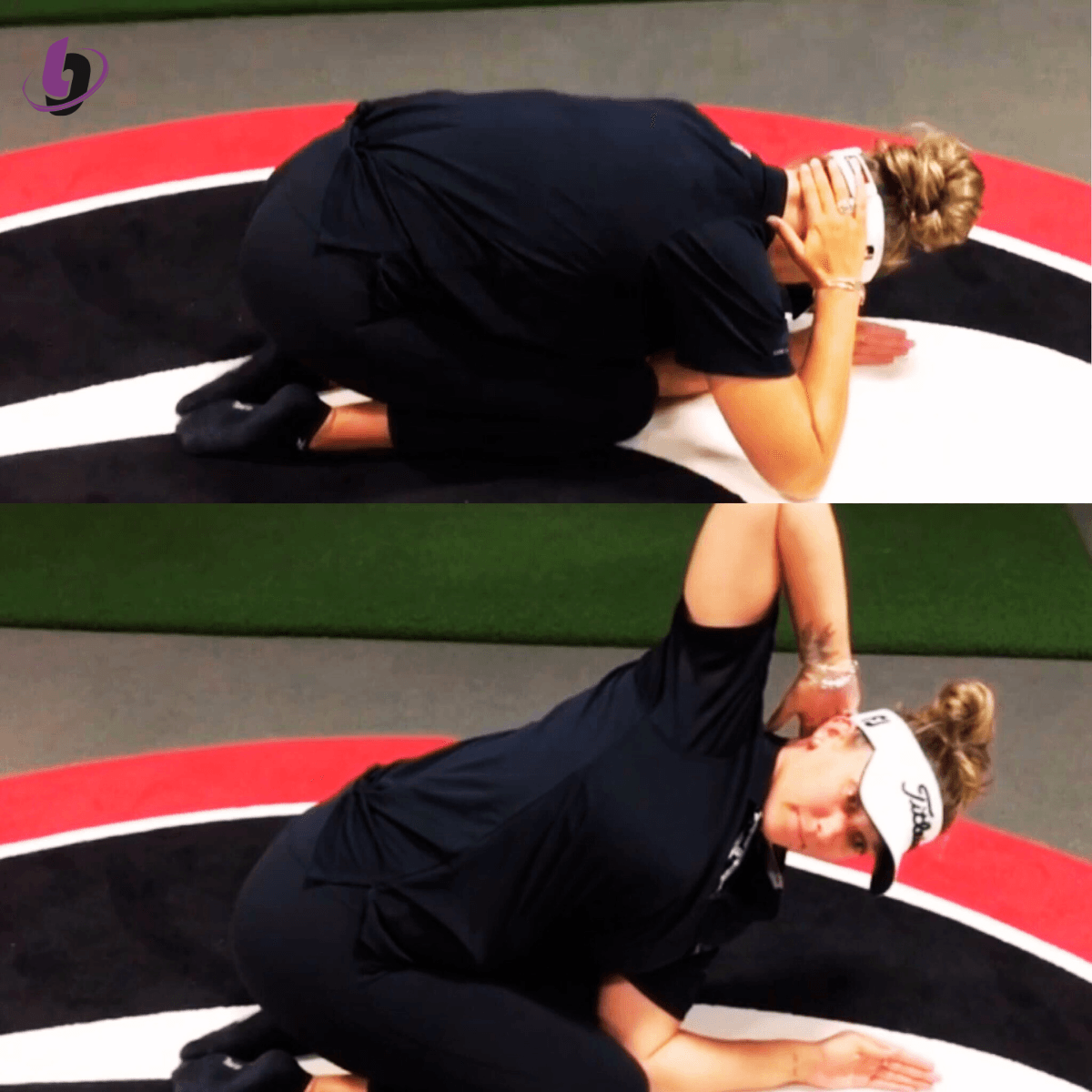
A well-rounded golf fitness program helps golfers both play better and stay healthier.
Research consistently shows that training programs combining mobility, strength, and power improve swing speed while reducing injury risk. Stretching exercises alone will not be enough.
Mobility and Flexibility
Adequate mobility in the hips, thoracic spine, and shoulders allows golfers to complete a full swing without compensating through the lower back or elbows.
Limited mobility is one of the most common contributors to swing faults and injury.
Strength and Power
Strong muscles absorb force and protect joints.
Key areas for golfers include:
- core muscles
- glutes and hips
- shoulders and upper back
These areas help transfer energy safely through the swing.
Stability and Balance
Golf requires precise control of movement.
Good stability allows golfers to maintain posture and balance from address through follow-through, reducing unnecessary strain on joints.
Golfers who are deconditioned or inactive often experience higher injury rates when they suddenly increase practice or play volume.
Preventing Injuries on the Golf Course with Simple Exercises
While golfers experiencing pain should consult a professional, several general exercises can help improve durability.
Dynamic Mobility Movements
Examples include:
- wide-stance torso rotations
- hip hinge drills with a golf club
- controlled leg movements
These movements prepare the body for rotation.
Core Stability Drills
Core stability helps protect the lower back.
Common exercises include:
- planks
- side planks
- dead bug variations
Hip and Glute Strength
The hips generate power and support spinal stability.
Useful exercises include:
- glute bridges
- bodyweight squats
- split squats
Forearm muscles and Grip Strength
Strong forearms can help reduce elbow irritation.
Exercises include:
- light wrist curls
- grip squeezes
- resistance band finger extensions
Maintaining strength during the off-season is also important to avoid starting each golf season pain free.
Technique, Equipment and Golf Injury Prevention
Physical preparation is important, but technique also plays a major role in injury prevention.
Golf Swing Technique
Small mechanical improvements can significantly reduce stress on the body.
Helpful principles include:
- avoiding overswinging purely for distance
- improving sequencing and rotation
- using video or professional instruction to identify swing faults and physical limitation.
Equipment and Setup
Equipment that fits properly can also reduce injury risk.
Consider:
- club fitting based on height, strength, and swing speed
- supportive shoes for balance and traction
- using a push cart or lighter bag to reduce strain
When equipment matches the golfer, the swing tends to become more efficient.
Ways to Prevent, Recover and Workload Management
Golfers often focus heavily on training and practice but overlook recovery.
However, recovery is essential for preventing overuse injuries.
Helpful recovery practices include:
- light stretching after play
- foam rolling or soft tissue work
- staying hydrated
- getting adequate sleep
It’s also important to increase volume gradually.
Suddenly jumping from occasional play to multiple rounds per week—or long range sessions—can overload tissues that haven’t adapted yet.
When to See a Professional
Not all soreness requires medical attention, but certain warning signs should not be ignored.
Seek professional guidance if you experience:
- persistent pain lasting several weeks
- reduced range of motion
- weakness or instability
- numbness or tingling
Professionals who commonly work with golfers include:
- sports medicine physicians
- golf fitness and performance teams
- physical therapy specializing in golf injuries
- PGA professionals who can evaluate swing mechanics
Early intervention often means faster recovery and less time away from the course.
Make Golf Injury Prevention Part of Your Golf Game

Golf injuries rarely appear overnight.
Most develop slowly as small stresses accumulate over time.
The best prevention strategy combines:
- consistent warm-ups
- golf-specific fitness
- efficient swing mechanics
- proper recovery habits
Even small changes—like adding a 10-minute warm-up or one weekly strength session—can significantly improve both performance and durability.
If you’re unsure what may be limiting your swing or increasing injury risk, a professional assessment can help identify the key factors.
To identify mobility restrictions, strength deficits, and movement patterns affecting your swing.
Frequently Asked Questions
What are the most common golf injuries?
The most common injuries include low back pain, shoulder irritation, inner elbow, wrist tendinitis, and hip or knee stress from repetitive swinging.
How should I warm up before a round of golf?
A proper warm-up includes light aerobic movement, dynamic mobility exercises, and swing motion that involve major muscle groups and gradually increase in speed.
Can strength training help prevent injury?
Yes. Strength training improves joint stability, muscle groups resilience and power production which helps amateur golfers and professional golfers tolerate repetitive swing forces more safely.
When should I see a professional for pain?
Risk for Injury should not be overlooked. You should consult a professional if pain persists when hitting golf balls, for several weeks, limits movement, causes weakness, or interferes with normal golf activity.